Arizona, United States
Phoenix
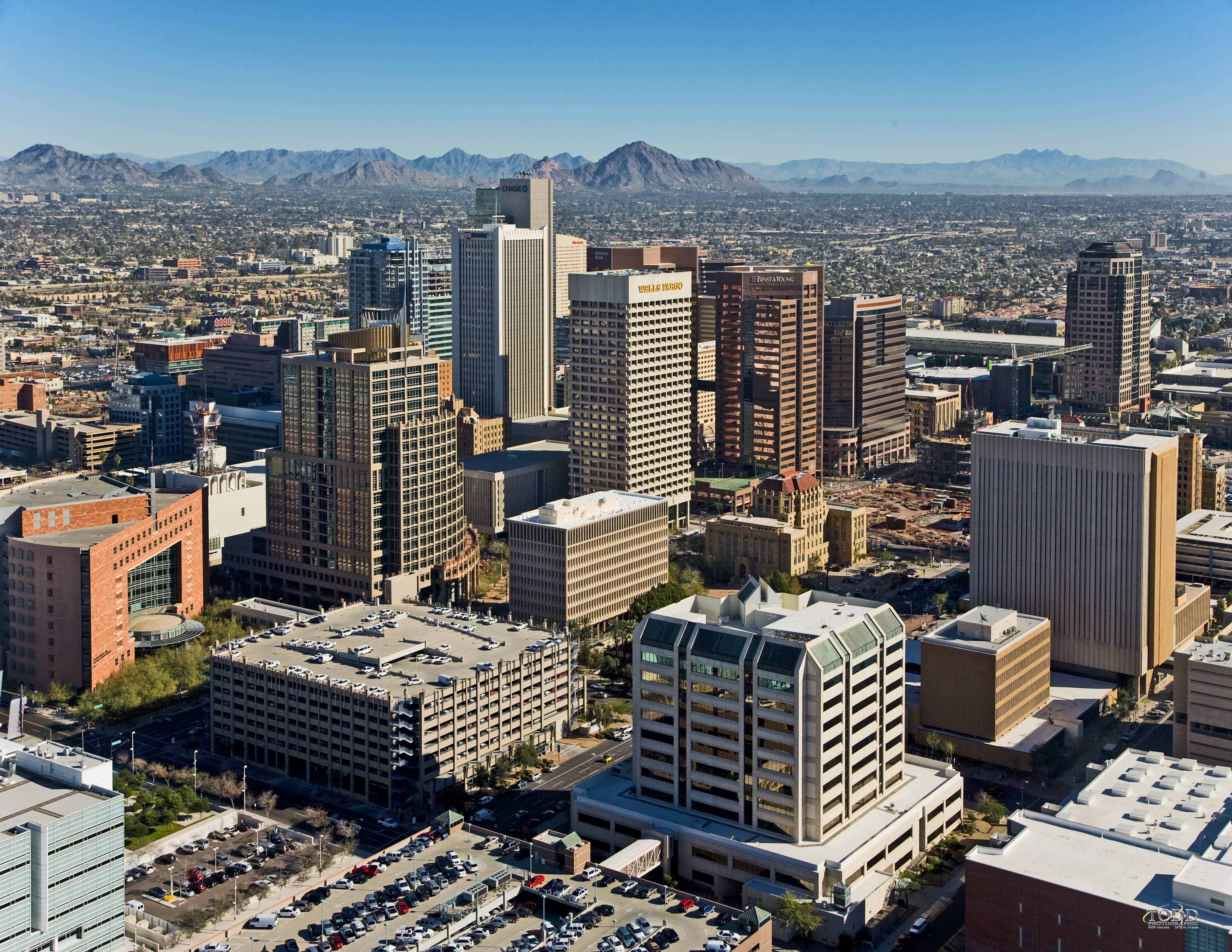
Phoenix is a desert city that operates at a scale and pace most visitors underestimate — the fifth-largest city in the United States by population, spread across a basin of the Sonoran Desert ringed by mountain ranges and punctuated by saguaro cactus that grow nowhere else on earth. The geography here is not backdrop; it is the defining fact. The Salt River Valley sits at 1,086 feet elevation, bounded by the McDowell Mountains to the northeast, South Mountain to the south, the White Tank Mountains to the west, and the volcanic remnant of Camelback Mountain rising from the valley floor in the middle of the city's most expensive neighborhoods. The desert light in October and November is unlike anywhere else in the country — a clarity and warmth that makes the mountain silhouettes sharp against skies that go from coral to deep violet in the twenty minutes after sunset. The outdoor recreation centered on Camelback Mountain is the experience that most surprises first-time visitors who arrive expecting a flat, featureless sprawl. Camelback's Echo Canyon Trail is 1.5 miles to the summit at 2,704 feet — classified as strenuous, requiring hand-over-hand scrambling on the upper third, and producing views that extend 50 miles across the valley on clear days. The trailhead parking fills before 7am on winter weekends; arrive at 6am or plan to park on the street and walk 20 minutes to the trailhead. South Mountain Park at the city's southern edge is the largest municipal park in the United States — 16,000 acres of desert trails, including the 11-mile National Trail along the ridge and the Ridgeline Trail that runs the southern crest. Papago Park's Hole-in-the-Rock formation — volcanic sandstone eroded into a natural window — is accessible in 15 minutes and photographs dramatically at sunrise. The cultural scene is stronger and more concentrated than the city's sprawling reputation suggests. The Heard Museum in Midtown is one of the finest museums of Native American art and history in the world — not in the Southwest, in the world — with a permanent collection that spans 13 centuries of Southwestern indigenous material culture and a contemporary Native art program that is consistently excellent. The Phoenix Art Museum two blocks away holds the largest art collection in the Southwest by a wide margin, with particular depth in Western American and Latin American modern work. The Desert Botanical Garden in Papago Park displays 50,000 plants on 140 acres of Sonoran Desert terrain — the saguaro forest at dusk, when the light goes flat and warm and the cactus wrens go quiet, is genuinely moving. The food scene is anchored by Pizzeria Bianco in Heritage Square downtown, which James Beard Award winner Chris Bianco has been running since 1994 — widely considered among the best pizza in the United States, with a sourdough crust and ingredient sourcing that have made it a destination restaurant in a city not historically known for destination dining. Reservations are required and competitive. Barrio Café on 16th Street is the other essential stop: Chef Silvana Salcido Esparza's elevated Mexican cooking represents the city's deep connection to its Mexican border heritage, with mole negro and chiles en nogada that reflect Oaxacan and Pueblan traditions adapted to a desert climate. Taliesin West in Scottsdale — Frank Lloyd Wright's desert camp and the headquarters of the Frank Lloyd Wright Foundation — is a masterwork of organic architecture that Wright built beginning in 1937 on 600 acres of Sonoran Desert. He designed it to be in conversation with the desert rather than imposed upon it: the low desert masonry walls, the slanted rooflines following the mountain contours, the canvas covers that filtered the desert light into the studio and drafting room. Wright lived and worked here every winter until his death in 1959; the complex is now a working architecture school and UNESCO World Heritage Site. Tours run daily and are essential for anyone interested in American architecture. Phoenix hosts 15 Major League Baseball teams for Cactus League spring training from late February through late March — more teams than any other spring training location in the country. The ballparks are intimate (6,000–12,000 capacity), tickets are cheap ($10–30), and the sight lines are excellent. Cubs fans descend on Sloan Park in Mesa in the tens of thousands; the Giants at Scottsdale Stadium and the Angels at Tempe Diablo Stadium draw the more casual crowds. Old Town Scottsdale during spring training has an energy that the Scottsdale shoulder seasons do not replicate. The climate reality is binary: October through March is one of the finest extended travel windows in North America — cloudless days in the 65–80°F range, cool evenings requiring a light jacket, the desert flora at its most vivid. April through September is survivable for short stints but June, July, and August average highs above 105°F, with weeks at 115°F not unusual. The monsoon season (July–September) brings intense afternoon thunderstorms and dramatic cloud formations. Visit October through March.